A calendar of foreseeable disruption
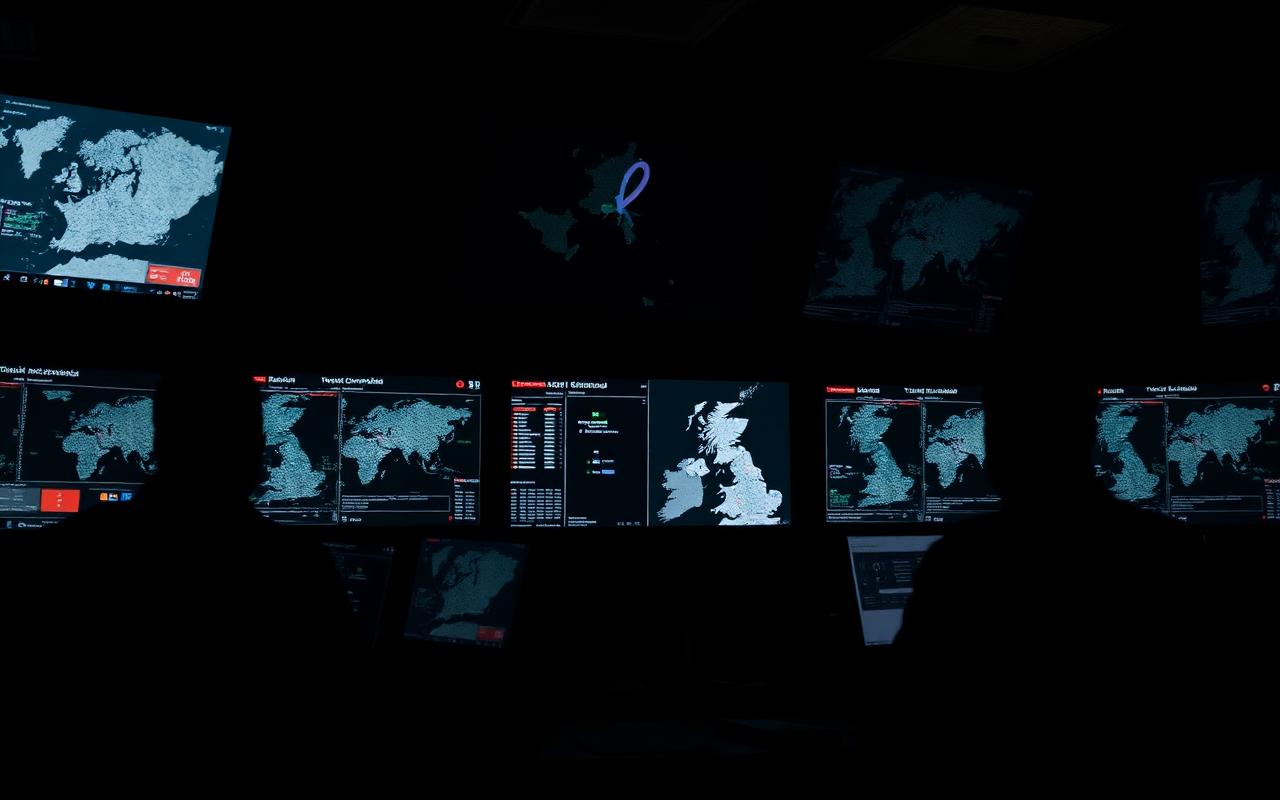
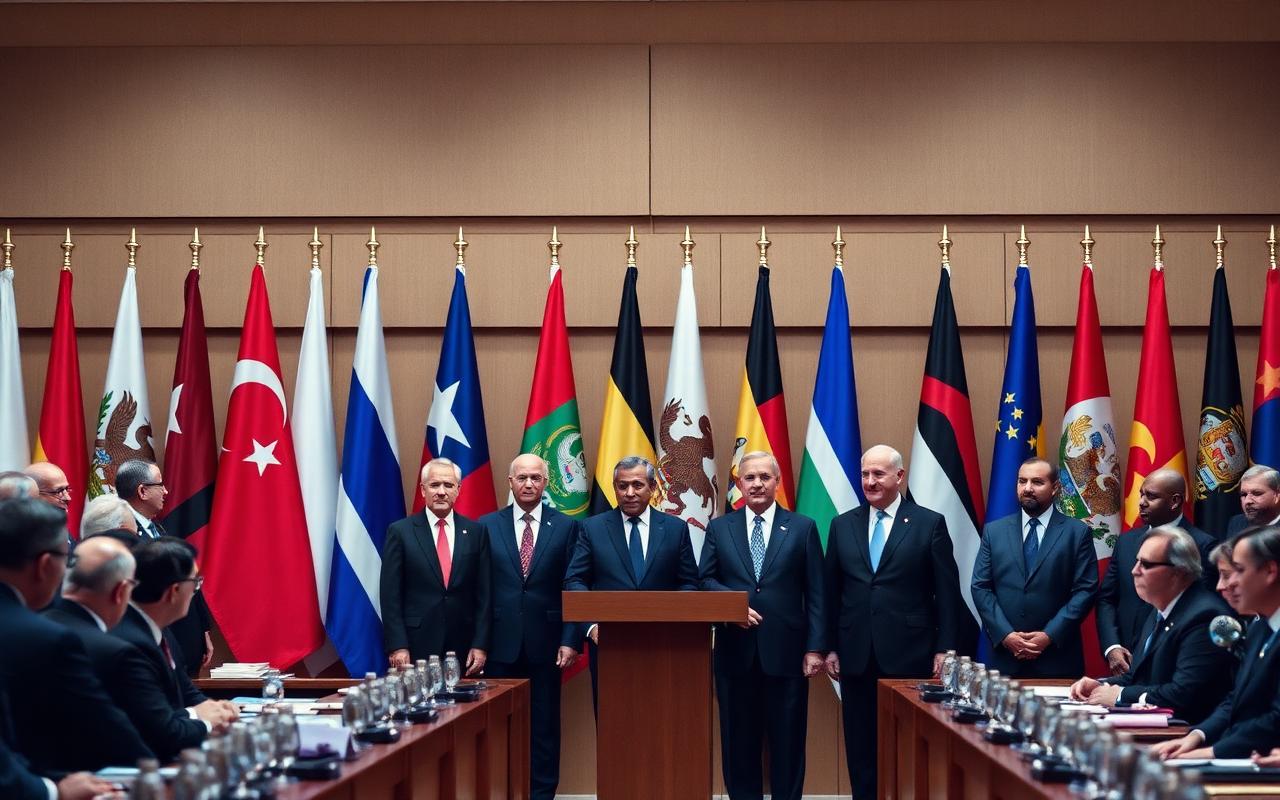
The next 18 months bring an exceptional concentration of elections, leadership transitions and contested international moments. Treated in isolation, each is a headline. Treated together — through a Protective Risk Management (PRM) lens — they form a calendar of foreseeable disruption that organisations can plan against.
For boards and risk leaders, the question is no longer whether geopolitical events will create operational impact. It is how exposure to people, supply, mobility and reputation is mapped onto that calendar, and how protective decisions are taken in advance rather than under pressure.
Situation Overview
Across more than 40 jurisdictions, political transitions are converging with economic stress, contested information environments and regional flashpoints. The result is a higher tempo of foreseeable disruption affecting trade corridors, travel, public order and digital infrastructure.
- Election cycles in major economies overlapping with protest movements
- Strategic competition reshaping energy, technology and trade routes
- Information operations amplifying reputational and operational exposure
- Regional flashpoints producing extra-territorial second-order effects
Risk Implications
The geopolitical calendar translates directly into measurable enterprise exposure. The PRM view treats each domain as connected, not siloed.
Contested transitions and protest activity disrupt sites, events and routine operations in normally stable jurisdictions.
Heightened exposure for travellers around elections, anniversaries and summits — including airspace and border friction.
Chokepoints and corridor disruption affecting time-critical flows, with cascading impact on commitments and customers.
Public positioning during contested moments now carries material reputational consequence in markets and workforce alike.
State-aligned and proxy threat activity rising around significant political dates, targeting critical services and enterprise environments.
Peak-risk windows ahead
- Q2European elections cluster
Concentrated political risk affecting policy continuity and protest activity.
- Q3Major-economy transitions
Leadership change windows with elevated mobility and information-domain risk.
- Q4Multilateral summit season
Host-city disruption, travel friction and extra-territorial protest activity.
- Q1Post-election aftershocks
Policy resets, sanctions adjustments and supply-chain re-routing.
What This Means for Organisations
- The calendar is a planning input, not an annual horizon scan
- Exposure must be mapped explicitly to people, suppliers and digital assets
- Decision rights, thresholds and escalation paths need to be agreed in advance
- Travel, sourcing and continuity assumptions should be stress-tested by quarter
Recommended Actions
- Establish a continuous geopolitical watch aligned to client-specific exposure
- Map the calendar onto travel, supplier, site and digital footprints
- Pre-position protective resources around peak-risk windows
- Rehearse escalation and crisis decision-making against likely scenarios
- Brief boards quarterly on calendar-driven risk and mitigation posture
The Triton Perspective
Triton operates an intelligence-led PRM model that converts the geopolitical calendar into client-specific decision advantage. We integrate watch capability with advisory and operational delivery so that risk, operations and strategy stay aligned through every contested moment.
- 24/7 Intelligence & Threat Monitoring on indicators that matter to you
- Independent Risk Advisory translating signals into prioritised action
- Travel and mobility programmes calibrated to live operating conditions
Strengthen your Protective Risk Management strategy
Engage with Triton to better understand, manage and mitigate risk across your organisation.