
A multi-domain operating condition
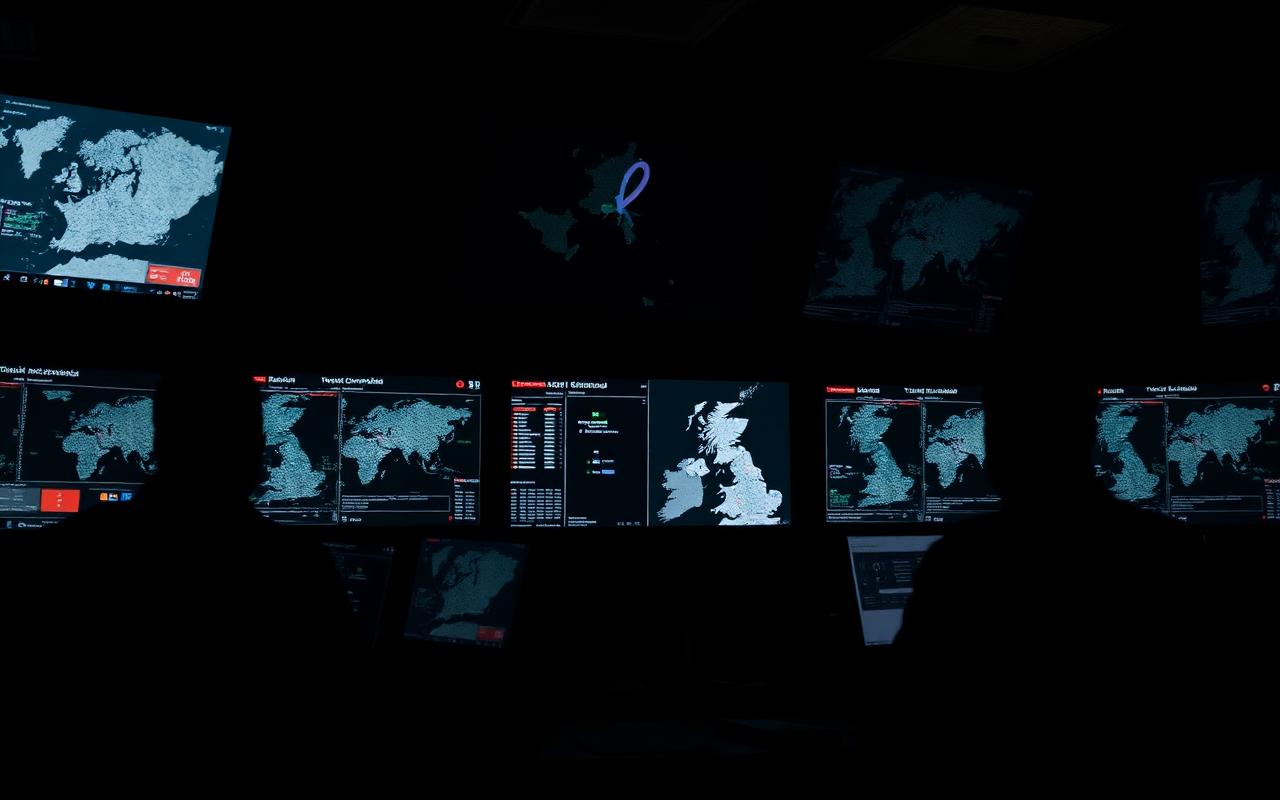
The Middle East is now the clearest example of a multi-domain threat environment. Physical, cyber and geopolitical risks no longer behave as separate categories — they move together, and they reach far beyond the region itself.
A Protective Risk Management view treats the situation as a sustained operating condition, not an event. The implication for leaders is that single-domain assessments will systematically under-read the threat to their people, their supply chain and their digital perimeter.
Situation Overview
Persistent regional tension is producing rolling impacts across mobility, trade and the digital domain. The threat is dynamic, geographically uneven and increasingly extra-territorial.
- Airspace closures and rerouting affecting executive and workforce mobility
- Maritime threats in chokepoints reshaping shipping and supply chain risk
- Elevated cyber activity targeting energy, finance and logistics
- Information-domain pressure shaping public and stakeholder perception
Risk Implications
PRM treats these exposures as connected — a maritime incident becomes a supply chain risk; an airspace closure becomes a duty-of-care issue; a cyber campaign becomes an enterprise resilience event.
Degraded routing, longer transit and exposed personnel across regional and connecting hubs.
Single points of failure across maritime corridors and energy infrastructure with rapid downstream impact.
Coercive cyber activity targeting critical services and exposed enterprise environments.
Site, project and contractor disruption — including in jurisdictions adjacent to active risk.
Public positioning, sanctions exposure and stakeholder scrutiny in a polarised information environment.
How the situation could evolve
Periodic airspace and maritime friction; manageable with active mobility planning and supplier visibility.
Rolling impact across mobility, supply and cyber domains; integrated PRM posture is the differentiator.
Material supply, energy and digital impact with extra-territorial second-order effects across global operations.
What This Means for Organisations
- Regional exposure must be assessed across physical, cyber and geopolitical domains together
- Mobility, sourcing and digital posture decisions need to be taken in concert
- Escalation thresholds should be defined in advance and tested
- Visibility on contractor and supplier exposure is now a board-level requirement
Recommended Actions
- Establish a single, integrated regional risk picture for the leadership team
- Define airspace, maritime and cyber escalation triggers with named owners
- Stress-test mobility plans against airspace and ground-route degradation
- Review third-party and supplier exposure within the regional footprint
- Maintain an active link between intelligence, operations and crisis governance
The Triton Perspective
Triton supports clients to operate confidently in dynamic regions through fused intelligence and integrated protective capability. Our PRM model joins regional watch, mobility planning and crisis governance into a single, accountable function.
- Regional intelligence fused across physical and cyber domains
- Integrated escalation and continuity frameworks at board level
- Secure logistics and travel risk programmes calibrated to live conditions
Strengthen your Protective Risk Management strategy
Engage with Triton to better understand, manage and mitigate risk across your organisation.