01
Regulatory Non-Compliance
Failure to maintain ISPS Code obligations, PFSP currency or MARSEC level escalation — risking detention, fines and loss of operating authority.
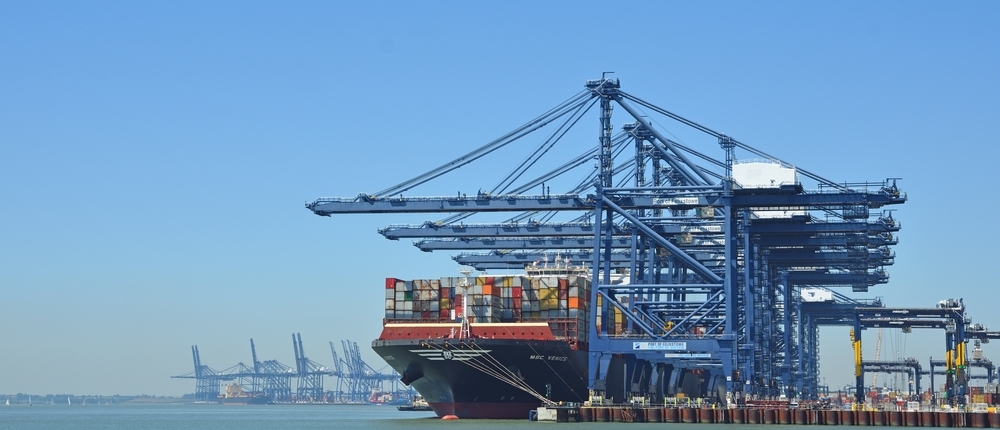
ISPS-aligned protective security for ports, terminals, vessels and offshore assets — engineered around regulatory duty, contested sea lines and multi-domain threat.
Ports, terminals, anchorages and vessels operate within the ISPS Code, MARSEC levels and a complex web of national maritime regulators. The threat picture spans hostile state activity, organised crime, smuggling, stowaways, protest action and insider risk — increasingly converging with cyber and drone-borne threats. Triton delivers protective security that meets ISPS obligations and the operational reality of contested maritime environments.
Triton operates as a Protective Risk Management partner — not a traditional security provider. Every engagement is led by a senior specialist accountable end to end, drawing on multi-skilled operatives capable of delivering security, response and advisory within a single deployment model.
We provide integrated maritime protective security for port operators, terminal owners, shipping lines and offshore facilities — combining advisory, deployed capability and intelligence in one model.
Real-world risk translates into operational, regulatory and reputational consequence. Triton's role is to close the gap between threat and response — before incident, not after.
Failure to maintain ISPS Code obligations, PFSP currency or MARSEC level escalation — risking detention, fines and loss of operating authority.
Perimeter breach, unauthorised vessel access, stowaway intrusion or restricted-area violations — with safety, immigration and operational consequences.
Theft, contamination, smuggling or sabotage of cargo, plant and infrastructure — including coordinated insider-enabled events.
Activist action, protest disruption, drone incursion or hostile reconnaissance halting berth operations and triggering supply-chain consequence.
Triton's maritime model starts with the regulator and ends on the quayside. We assess the facility against ISPS, model the threat actors most relevant to the trade and geography, and design a protective posture that satisfies the regulator and the operations director in equal measure.
Deployed personnel are multi-skilled — security, response and medical capability in one — and accustomed to working alongside port police, Border Force, harbour authorities and vessel masters within a single, integrated chain of command.
Intelligence informs posture. Posture informs deployment. Deployment is delivered by people trained to operate where the environment is hostile, regulated, or unforgiving — and to fold security, emergency response and advisory into a single integrated model.
Highly trained, operationally capable specialists — delivering multiple capabilities within a single deployment model.
EPSO-style capability — cross-trained in protective security, emergency response and pre-hospital medical care, able to operate effectively across complex risk environments.
Operationally tested in critical infrastructure, industrial sites, public realm and complex jurisdictions — not retrained shopping-centre guards.
One team, one chain of command — combining security, response and advisory rather than handing the client a stack of subcontractors.
Every deployment carries specialist-grade leadership accountable for outcomes, with direct access to Triton's intelligence and advisory functions.
Specific to this service — but always integrated, intelligence-led and outcome-focused.
Talk to a senior specialist about your facility, ISPS obligations and operating environment. We respond with a tailored maritime protective security proposal.