01
Tunnel Rescue
Specialist emergency response and casualty recovery capability for tunnelling and underground construction environments.
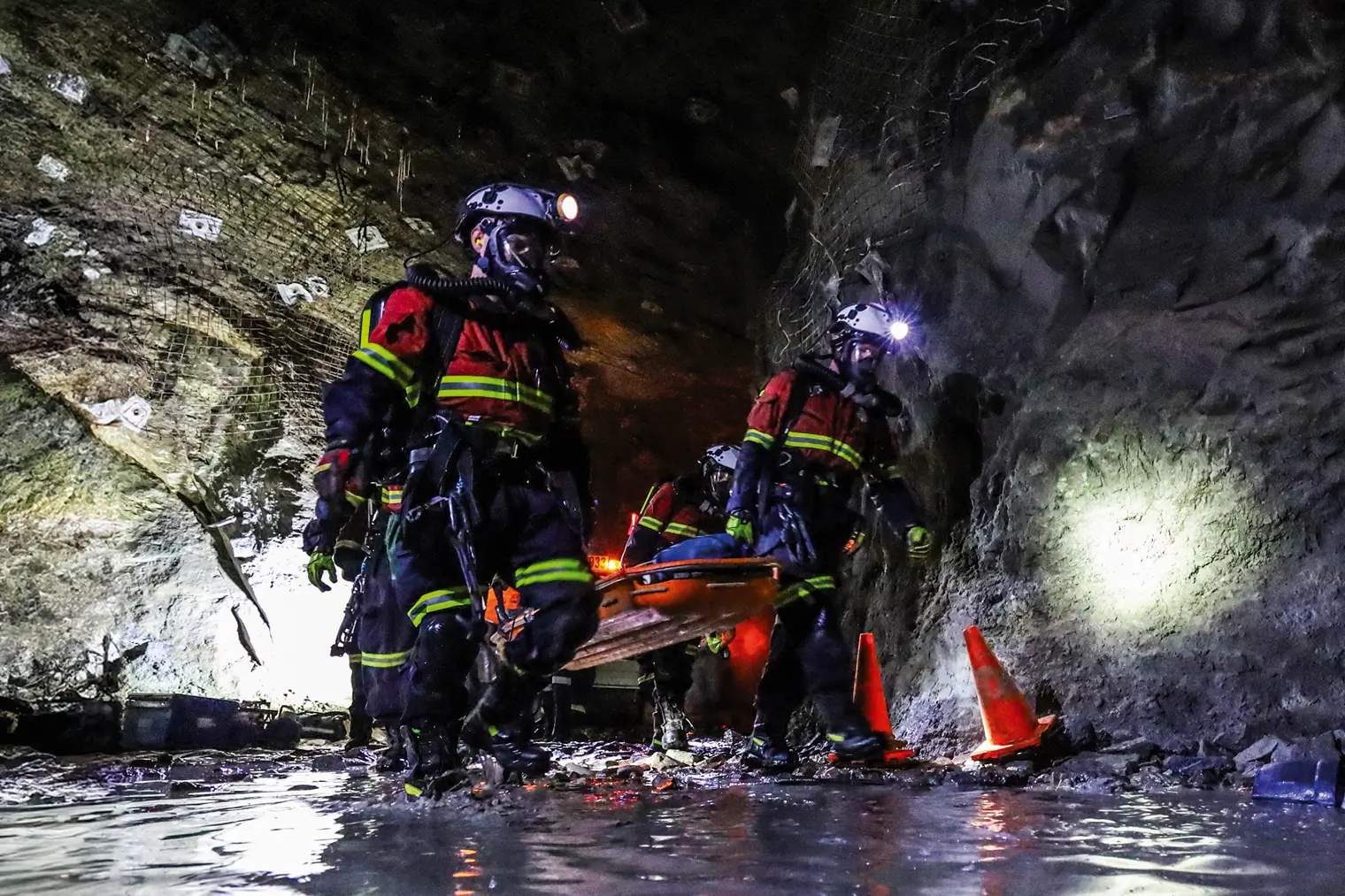
Tunnel | Mine | Technical Rescue | Long-Duration Breathing Apparatus
Triton Risk Management provides specialist rescue services for underground, confined, remote and technically challenging working environments.
From deep shafts, mines and tunnelling operations to confined spaces and complex infrastructure, our teams provide the specialist people, equipment, planning and operational capability required to prepare for and respond to high-consequence emergencies.
For underground environments where access, travel and casualty recovery can be prolonged, Triton can provide long-duration breathing apparatus capability, enabling appropriately trained rescue teams to operate beyond the practical limitations of conventional short-duration respiratory protection.
Specialist rescue cannot rely solely on conventional emergency response arrangements.
Underground workings, tunnels, shafts, confined spaces and complex industrial environments can introduce significant challenges including restricted access and egress, extended travel distances, hazardous atmospheres, difficult communications, complex casualty recovery and prolonged evacuation.
Effective rescue arrangements must therefore be designed around the actual environment and the work being undertaken. Triton works with clients to understand:
We use this information to determine the personnel, breathing apparatus, rescue equipment, medical support and operational response model required.
Specialist emergency response and casualty recovery capability for tunnelling and underground construction environments.
Dedicated rescue capability for underground mining operations, shafts and associated high-risk environments.
Specialist BA capability for extended underground rescue operations where distance, atmosphere and casualty recovery duration exceed conventional response parameters.
Specialist rescue arrangements for complex structures, machinery, excavations, difficult access and unusual casualty scenarios.
Planned standby and emergency rescue capability for confined-space operations across industrial and infrastructure environments.
Tunnelling operations can create some of the most challenging emergency response environments encountered within major infrastructure.
Restricted access, extended travel distances, changing workfaces, temporary works, ventilation arrangements, plant movements, communications and potentially hazardous atmospheres can significantly affect the ability to reach, treat and recover a casualty.
Triton can provide dedicated tunnel rescue capability throughout construction and commissioning activities. Capability can include:
As tunnelling or underground works progress, the distance between the point of entry and the working area can become a defining factor in emergency response.
A rescue team may need to travel significant distances before reaching a casualty and must retain sufficient respiratory protection, physical capacity and equipment to undertake assessment, treatment, technical intervention and casualty recovery.
Where identified by risk assessment, Triton can establish long-duration breathing apparatus rescue capability specifically for extended underground operations. Planning considers the complete rescue timeline — not simply the time required to reach the casualty.
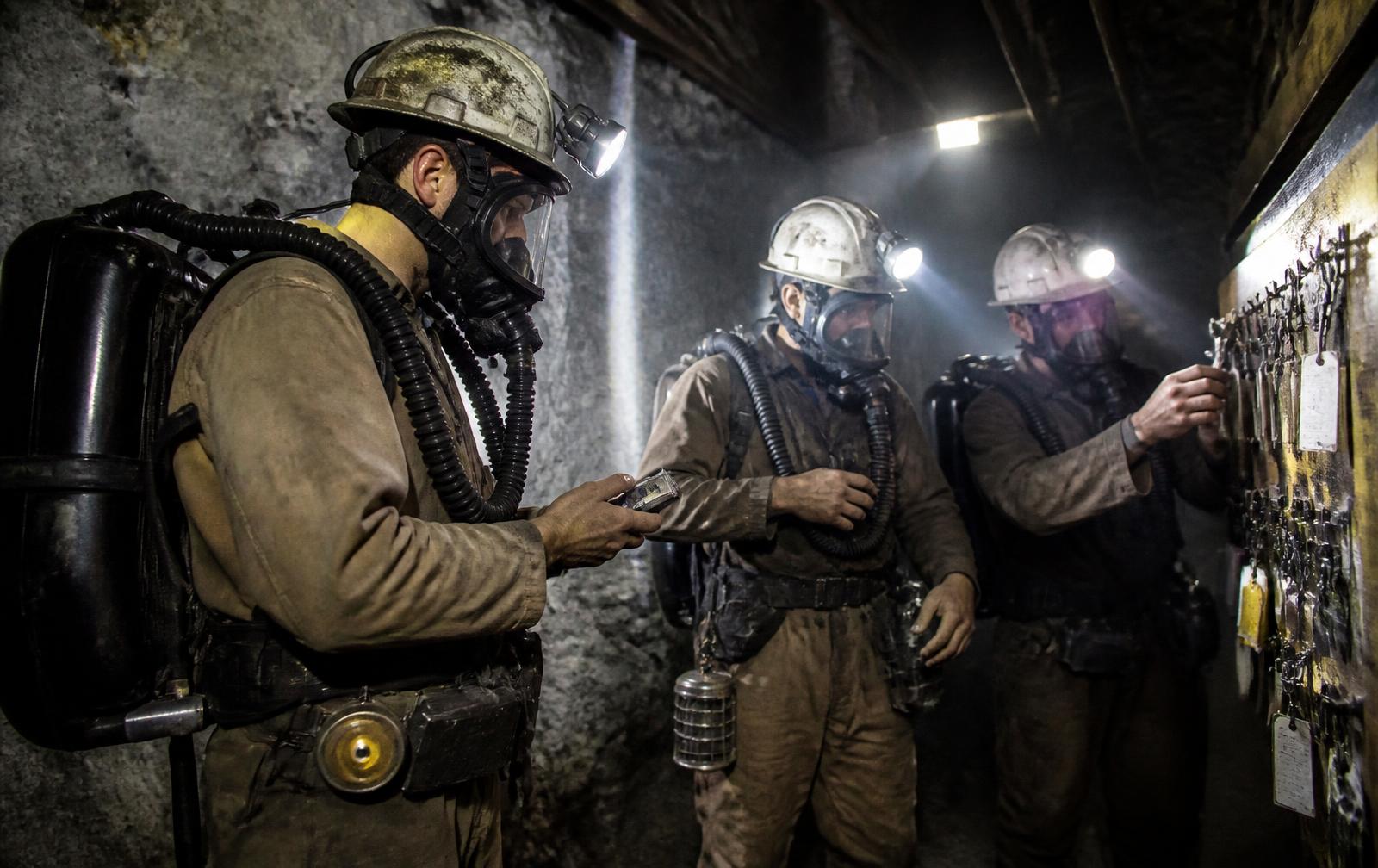
The objective is not simply to provide enough breathing apparatus to enter the environment. It is to provide sufficient capability to complete the rescue safely.
Mining environments require specialist emergency arrangements capable of operating within challenging underground conditions.
Triton provides mine rescue capability designed around the hazards, geography, operating methods and credible emergency scenarios associated with individual mining operations.
Capability can include:
The focus is not simply maintaining a rescue team. It is ensuring that the complete rescue system — people, equipment, procedures, communications, medical support, command arrangements and competencies — remains capable of responding effectively when required.
In tunnel, mine and underground emergencies, time and distance can become hazards in their own right.
A rescue team may need to travel considerable distances through a potentially hazardous or irrespirable atmosphere, locate and assess a casualty, undertake technical intervention and then complete a prolonged extraction.
Triton can develop breathing apparatus capability around the anticipated total operational duration of credible rescue scenarios. Depending on the environment and identified risk, capability can include:
The appropriate respiratory protection strategy is determined through risk assessment and should consider atmospheric conditions, travel distance, work rate, rescue tasks, casualty condition and anticipated recovery duration.
Not every emergency fits neatly into a standard rescue category.
Major construction and industrial environments can create unique rescue challenges involving machinery, structures, excavations, temporary works, plant, difficult access or unusual casualty locations.
Triton's technical rescue capability can be developed around these specific risks. Capability can include:
Where standard rescue techniques are insufficient, arrangements are developed around the specific task, environment and credible emergency scenario.
Confined-space work requires appropriate rescue arrangements to be established before entry takes place.
Reliance solely on external emergency services may not provide a sufficiently immediate or technically appropriate rescue solution.
Confined Space Safety & Rescue Services →Triton provides specialist confined-space rescue capability for planned entries across industrial, construction, utilities, infrastructure and high-hazard environments. Capability can include:
Our teams can integrate with client permit-to-work and confined-space management arrangements to ensure rescue capability remains aligned with the work being undertaken.
The effectiveness of a rescue response is determined long before an incident occurs.
Triton works with clients, contractors, designers and project teams to establish rescue arrangements for specific activities and environments. Our specialists can review work methodologies, access and egress, temporary works, plant, equipment and emergency procedures to determine how a casualty could realistically be reached, treated and recovered.
Capability can include:
A rescue plan must demonstrate how the casualty will actually be reached, treated and recovered — not simply state that rescue provision exists.
How quickly and safely can rescuers reach the casualty?
Distance, shafts, tunnels, ladders, scaffolds, restricted openings, temporary works and changing access routes.
Can rescuers safely enter and remain within the environment?
Oxygen deficiency, toxic or flammable atmospheres, smoke, gases, ventilation and breathing apparatus requirements.
What credible injuries or medical emergencies could occur?
Entrapment, trauma, burns, crush injury, medical emergencies, suspension, unconscious casualties and multiple casualties.
How will the casualty physically be removed?
Casualty packaging, stretchers, vertical lifting, lowering, hauling, confined-space movement and restricted openings.
How long could the complete rescue take?
Mobilisation, underground travel, casualty treatment, extrication, recovery and onward transfer — including breathing apparatus duration and long-duration rescue requirements.
What additional capability is required?
Medical response, firefighting, additional rescue teams, specialist equipment, incident command and external emergency services.
In complex underground and technical rescue environments, reaching the casualty may only be the beginning of the response.
A casualty may require assessment, stabilisation and treatment before movement is possible, particularly where extraction is expected to be prolonged.
Medical Services →Triton's wider medical capability allows rescue planning to consider the complete casualty pathway from initial access through recovery and onward transfer. Depending on the service configuration, capability can include:
This is particularly important where rescue duration and evacuation time may be significantly longer than would be expected within a conventional workplace.
Technical rescue incidents can quickly involve multiple teams, disciplines and organisations. Clear command and control arrangements are essential.
Our approach can align with recognised UK emergency management principles, including JESIP, and integrate with client emergency and crisis management structures.
Triton can establish structured operational command arrangements integrating:
Rescue capability is perishable.
Equipment alone does not create an effective rescue service. Personnel must remain competent, familiar with the environment and capable of working together under realistic conditions.
Triton can develop structured training and exercise programmes around the rescue risks identified for each project or facility. Capability can include:
Where relevant, exercises should test realistic travel distances and operational duration rather than only short-duration training scenarios. Performance can be reviewed and lessons incorporated into future training, procedures and rescue arrangements.
Specialist rescue equipment must be appropriate to the environment, correctly maintained and immediately available.
Equipment provision forms part of a wider operational system incorporating inspection, maintenance, readiness checks, competency and exercising.
Depending on the identified requirement, Triton can provide and manage:
For major projects and high-risk operations, Triton can provide dedicated rescue teams embedded within the client's site.
This creates a rescue capability familiar with the environment, workforce, work activities and changing risk profile.
When not responding to emergencies, embedded teams can support:
Complex underground incidents rarely involve a single discipline. A tunnel or mine emergency may simultaneously require technical rescue, breathing apparatus, medical treatment, firefighting, communications and incident command.
Specialist Rescue is delivered alongside — and distinct from — our Fire & Rescue Services, and is designed to complement rather than replace statutory emergency services.
Our specialist rescue capability is designed for environments where access, atmosphere, distance and rescue duration demand more than conventional emergency response.
Rescue arrangements developed around credible emergency scenarios and actual working conditions.
Personnel, equipment and procedures designed for complex and technically challenging environments.
Specialist breathing apparatus and rescue arrangements for extended operations in tunnels, mines, shafts and underground environments where conventional response durations may be insufficient.
Rescue, medical, fire, security and incident command capability working together.
Training, exercising, equipment management and operational readiness assurance built into the service.
From task-specific rescue arrangements to dedicated 24/7 emergency response capability.
From individual high-risk work activities to major underground construction and mining operations, Triton can develop and provide specialist rescue capability around the environment, hazards and people involved.
Reimagining Protective Risk Management.